Our technology
Technology
01
Electromagnetic Brain Pulse (EMBP™)
We analyze neural information and utilize our Electromagnetic Brain Pulsing (EMBP™) neural modulation therapy to optimize brain health and restore functionality. EMBP™ is a personalized, non-pharmaceutical, and non-invasive treatment that alters nerve activity through the targeted delivery of stimulus to specific neurological sites in the body in order to help restore and optimize brain functionality.
Developed based on the fundamental physical law of conservation and the resonant nature of the nervous system, EMBP™ has been implemented to treat many neuropsychiatric disorders such as major depressive disorder, anxiety disorder, ADHD, and SUD to name a few. Our combined expertise in neuroscience, innovative machine learning analysis, and cutting-edge use of EMBP™ neuro-stimulation has actualized in our patented, personalized, and non-invasive neuromodulation treatment.
02
Magnetic Stimulation for Viral Infection
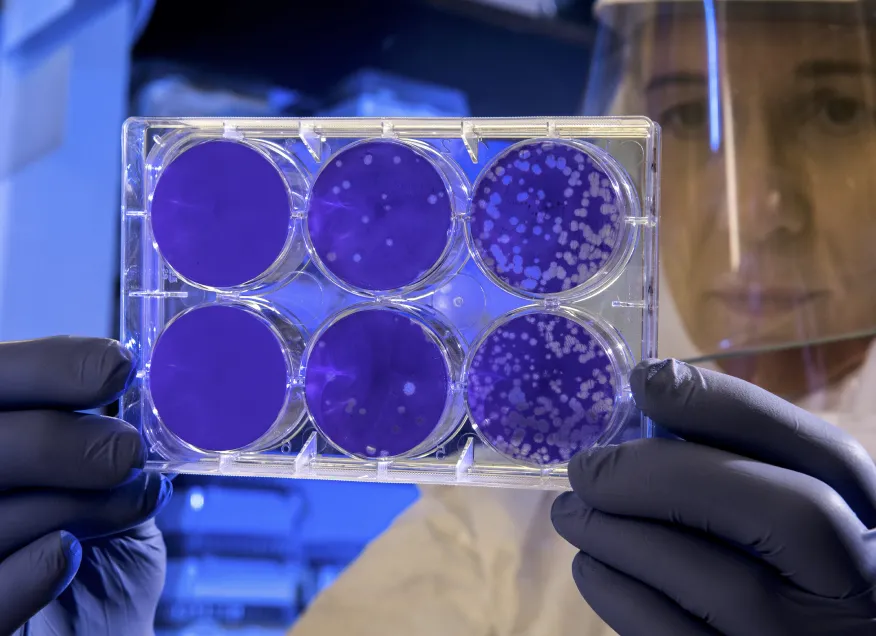
Our technology for treating viral infections administers magnetic pulses cutaneously through a specially designed ergonomic coil to targeted nerve ganglia in order to deactivate the viral growth and proliferation.
In our preliminary study, we have discovered that repetitive magnetic pulse stimulation significantly prolongs the incubation period of herpes viruses in infected animals. We have tested 14 human patients with acute shingles and 4 patients with trigeminal neuralgia. All patients responded positively and achieved remission within 4 days. We are currently conducting experiments with cultured herpes virus to identify the one or more mechanisms of the action responsible for the clinical response to repetitive magnetic pulses. Possible mechanisms of action include the stage that the electromagnetic stimulation has worked, a direct affect on the viruses, changing the environment of hosting cells, or a higher level effect involving the immune system. As of today, our technology has been granted patent protection in 5 countries.
Background
The Science Behind It
Using mechanical energy to deal with microorganisms has always been thought of as an alternative treatment for infectious diseases. Raymond Rife in the 1920's invented a variable frequency flashing light and ultrasound source machine which could kill bacteria, protozoa, fungi, and viruses. Rife found that every microorganism he encountered had at least one frequency of ultrasound (i.e. mechanical shaking and resonance) that destroyed the microorganism very easily. By 1939, Rife claimed that he had uncovered lethal ultrasound frequencies for microbes associated with 52 major diseases.
Mizuno et al. (1990) have demonstrated that pulse electric fields could inactivate swine vesicular disease virus (SVDV) and equine herpes virus-1 (EHV-1). SVDV in deionized water or in bovine serum could be inactivated effectively in vitro when a pulsed electric field (crest value of 30 kV/cm, exponential-decay waveform) was applied 60 to 120 times or the input electrical energy was 43.6 to 87.2 cal/cm3. After inactivation of the pulse application, the shape of the protein shell of SVDV did not change, but RNA contained in the core of SVDV disappeared, and hollow particles were observed. EHV-1 in minimum essential medium (MEM) could also be inactivated effectively in vitro when the pulse application number exceeded 45, or the input electrical energy was more than 32.7 cal/cm3. Apparent damage to the envelope around EHV-1 and to the core of EHV-1 consisting of DNA was observed.
In the 1990's, Drs. W. Lyman and S. Kaali, working at Albert Einstein College of Medicine in NYC made an important discovery to help deal with diseases including AIDS, cancer, Gulf War Syndrome and so on. They found that they could inactivate the HIV virus by applying a low voltage direct current (50-100 μA) electrical potential with an extremely small current flow to AIDS infected blood in a test tube. They found that the viral particles were not directly destroyed by the electric current, but rather the outer protein coating of the virus was affected in such a way as to prevent the virus from producing reverse transcriptase, a necessary enzyme needed by the virus to invade human cells. To replicate Lyman and Kaali's finding, Dr. Robert C. Beck found that he could get the same results using the 3.92 Hz square wave by placing the electrodes to the skin directly over those arteries that were close to the skin surface.
The procedures discussed above are limited in clinical applications due to either their invasive nature of the treatments or the treatments are inadequate to deal with systemic infections. Our patented technology using magnetic stimulation has the advantages of being able to deliver an effective treatment of local infectious diseases in vivo without unwanted side effects associated with invasive procedures and to deliver an effective, non-invasive treatment of systemic infections without the need for extracorporeal treatment of blood.
03
Magnetic Stimulation and STEM Cell Technology
Our stem cell technology involves repetitive electromagnetic stimulation at the location where a patient has been intravenously administered or received stem cell transplantation for organ or tissue injury. Our preliminary clinical data has shown promising outcomes when applied to patients with spinal cord injuries after they received stem cell treatments. Our application for the US patent has recently been granted (U.S. Patent No.10,391,329).
Background
STEM Cell Science
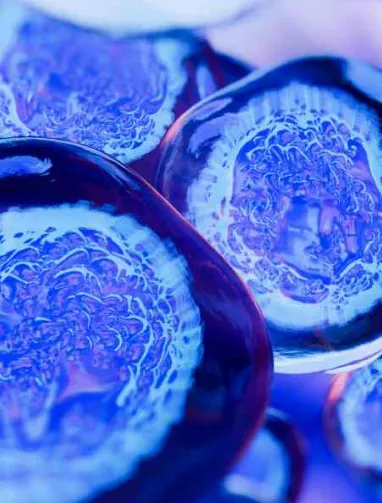
Stem cells have the remarkable potential to develop into many different cell types in the body during early life and growth. In many tissues, they also play a role for internal repair, dividing essentially without limit to replenish other cells as long as the person or animal is still alive. Embryotic stem cells were successfully derived from mice in 1981 and human embryos in 1998. Another breakthrough includes the identification of stem cell-like state in adult cells by genetic reprogramming in 2006.
These findings have triggered great interests in research for treating diseases such as diabetes, heart disease, and spinal and brain injuries. However, much work remains to be done in the laboratory and the clinic to understand how to use these cells for cell-based therapies to treat diseases.
Among all of the unanswered questions, two are critical and practical for clinical applications. First, how do we mobilize and guide the stem cells to migrate to the injured location? Second, how do we activate the new tissue grown from stem cells to function particularly in synchronization with the neighboring healthy tissues? Tracking cells expressing green fluorescent proteins in animals, scientists from UC Davis School of Medicine reported (2017) that they have used electric fields within the animal brain to successfully guide neural stem cells transplanted into the brain toward a specific location.
These guided stem cells were able to "swim upstream against the fluid flow and natural cues" and head for other locations within the brain that were injured or diseased. These findings clearly open the door for potential applications to many other treatments with stem cells. Thrivikraman et al. (2017) reviewed an important line of work in the stem cell research and concluded that electric field stimulation can be employed to evoke appropriate stem cell responses through signaling pathways and cellular responses, including the participation of reactive oxygen species and heat shock proteins, modulation of intracellular calcium ion concentrations, ATP production and many other events involving the clustering of cell surface receptors, cytoskeletal remodeling and so on. GDC technology of magnetic pulse stimulation is in alliance with the cited works above but has clear advantages in clinical practice with its non-invasive nature.
Get in touch